Meditation for Stress and Anxiety (Beginner-Friendly Guide)
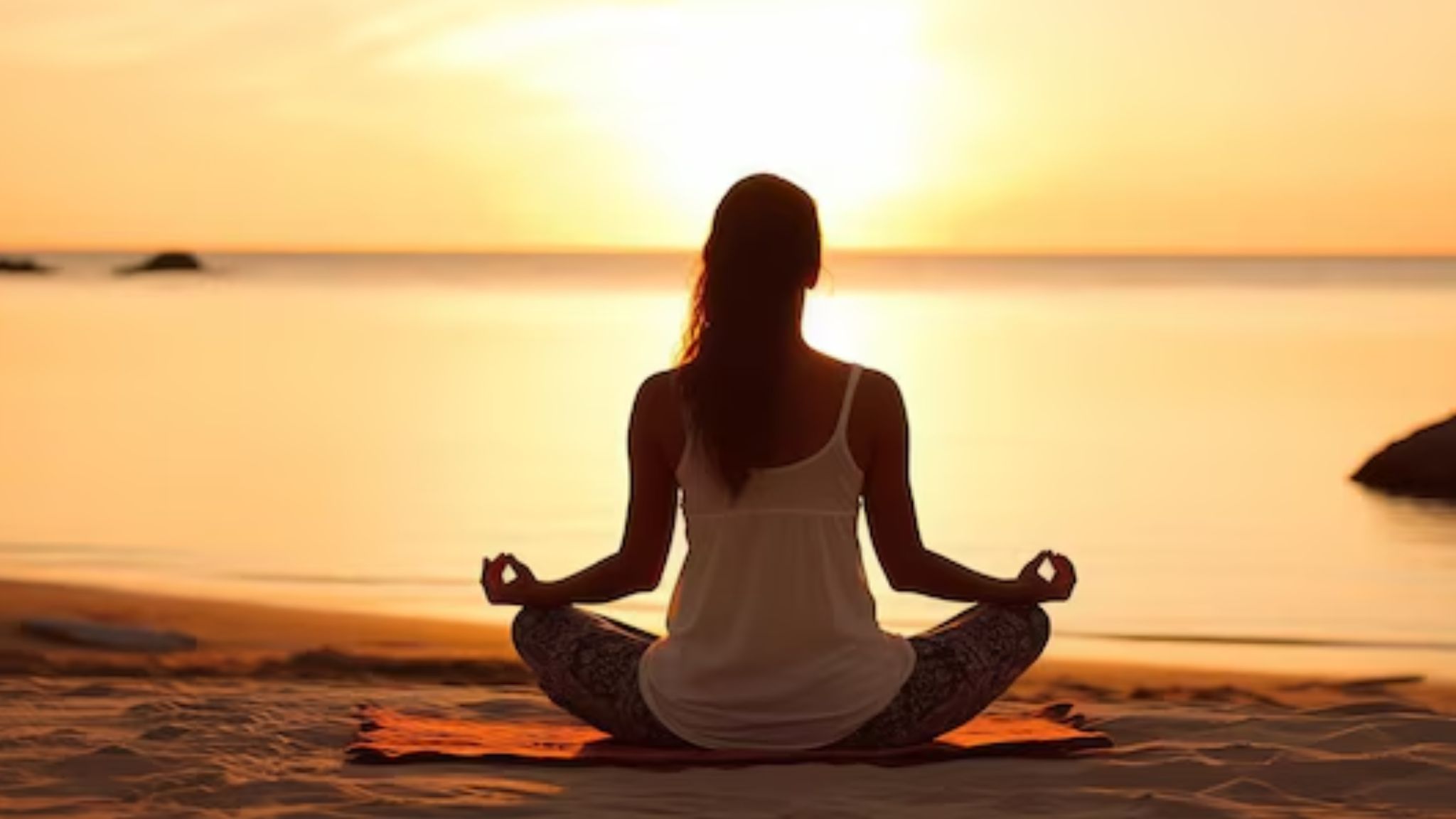
Stress and anxiety have become commonplace in today's fast-paced society. Your mind may feel heavy and restless due to work pressure, personal obligations, and persistent overthinking. Anxiety is a persistent sense of concern or fear, even in the absence of an immediate threat, whereas stress is your body's normal reaction to difficulties. Here, meditation emerges as a potent and organic remedy. Slowing down your thoughts, calming your mind, and returning your attention to the here and now are all benefits of meditation. You can teach your mind to react to stress in a more calm and balanced manner rather than emotionally by practicing on a regular basis.
The Science Behind Meditation
Meditation has been shown by science to enhance mental health, making it more than merely a spiritual practice. Your body produces less cortisol, the stress hormone that causes anxiety and tension, when you meditate. Additionally, meditation fortifies the area of your brain that governs concentration and judgment. Additionally, it helps you feel at ease and in control by relaxing your nervous system. Everyday meditation, even for a short while, can lift your spirits, lessen overthinking, and improve your general wellbeing.
Types of Meditation for Beginners
Beginners can select the type of meditation that is most comfortable and easy for them. You don't have to attempt everything at once; start small and work your way up.
Mindfulness Meditation
Being in the present moment is the main goal of mindfulness meditation. You just watch your thoughts without passing judgment on them and gently return your attention when it strays.
- Helps reduce overthinking
- Improves focus and awareness
- Easy to practice anywhere
Breathing Meditation
This is the simplest form of meditation, especially for beginners. It involves focusing only on your breath.
- Calms the mind quickly
- Reduces stress instantly
- Easy to learn and practice daily
Body Scan Meditation
This type of meditation helps you connect with your body and release tension.
- Relaxes muscles
- Reduces physical stress
- Improves body awareness
Guided Meditation
Guided meditation involves listening to a voice that gives instructions, making it easier to stay focused.
- Best for beginners
- Reduces distractions
- Easily available online
A Basic Daily Practice of Meditation
Meditation doesn't have to be hard to get started. A straightforward regimen can significantly impact your day-to-day existence. Locate a peaceful area where you may sit comfortably and without interruptions. With your back straight and your eyes slightly closed, take a comfortable seat. Breathe in slowly through your nose and out gently to start paying attention to your breath. It's quite common for your thoughts to stray. Simply return your focus to your breathing whenever it occurs without becoming irritated.
- Start with 5 minutes daily
- Gradually increase to 10–15 minutes
- Practice at the same time every day
- Stay relaxed and comfortable
Advice for Maintaining Consistency
The secret to benefiting from meditation is consistency. Many novices give up because they believe they are not doing it correctly or because they anticipate rapid results. Recall that meditation is a practice rather than a goal.
- Begin with small sessions
- Fix a daily time (morning or night)
- Use reminders or apps
- Be patient with your progress
- Focus on regular practice, not perfection
Common Challenges and Solutions
Many beginners face challenges while starting meditation, but these can be easily managed with the right approach.
- If your mind keeps wandering, gently bring your focus back to your breath
- If you feel you don’t have time, start with just 5 minutes
- If you feel bored, try guided meditation
- If sitting still is difficult, try shorter sessions
Advantages of Meditation
Frequent meditation has advantages for the body and mind. Your thoughts, feelings, and general health will all improve with time.
Mental Benefits
- Reduces stress and anxiety
- Improves focus and clarity
- Enhances emotional control
- Promotes better sleep
Physical Benefits
- Lowers blood pressure
- Improves breathing
- Reduces fatigue
- Supports overall health
5–10 Minute Script for Guided Meditation
This is a straightforward script that you can use if you're feeling apprehensive or tense. Take a deep breath, close your eyes, and find a comfortable seat. Inhale slowly through your nose, then softly release the air. Pay attention to the air entering and leaving your body while you breathe. If your thoughts stray, gently return your attention to your breathing. Let go of any stress in your body and loosen your shoulders. Feel yourself relaxing and growing peaceful with each breath.
- Breathe in slowly
- Breathe out gently
- Focus on your breath
- Release tension with each exhale
- Stay calm and present
After a few minutes, slowly open your eyes and return to your day feeling refreshed.
Do’s and Don’ts for Beginners
Starting meditation is simple, but following the right approach makes it more effective.
Do’s
- Practice daily, even for a few minutes
- Stay patient and consistent
- Focus on your breathing
- Keep your posture comfortable
Don’ts
- Don’t expect instant results
- Don’t try to stop your thoughts completely
- Don’t judge your progress
- Don’t compare yourself with others
Last Thoughts
A straightforward but effective practice that can improve both your physical and emotional health is meditation. To start, you don't need any particular training or expertise. You can manage anxiety, lessen stress, and enhance your general quality of life by practicing frequently—even for a short while each day. Begin modestly, maintain consistency, and let yourself develop organically. You will eventually experience a more pleasant life, improved concentration, and a calmer mind.