20-Minute Beginner Yoga Routine for Home Practice
By a certified yoga instructor and wellness coach
One of the best methods for lowering stress, increasing flexibility, and reestablishing a connection with your body is yoga. This easy 20-minute practice will help you feel calmer, more mobile, and more invigorated whether you are new to yoga, have a low level of activity, or are returning to exercise after a break. The practice can be carried out in a living room, bedroom, or home office with little space requirements.
Keep in mind to breathe deeply, move slowly, and never push your body into an uncomfortable posture. Prioritize relaxation and light movement over precision.
Warm-Up Sequence (5 Minutes)
1. Tadasana (Mountain Pose)
-
How to Perform: Stand tall with feet together or slightly apart. Press all four corners of your feet evenly into the ground. Relax shoulders down, arms resting by your sides. Take a deep breath in, lift your chest slightly, then breathe out.
-
Duration: 1 minute (5–7 breaths)
-
Benefits: Improves posture, grounds the mind, builds awareness
-
Safety: If you have knee issues, keep feet hip-width apart for stability
2. Anjali Mudra (Prayer Pose) with Gentle Side Stretch
-
How to Perform: Bring palms together at your heart center. Inhale, lift arms overhead, then exhale and gently lean right, keeping hips level. Return center, then lean left.
-
Duration: 1 minute (3–5 reps each side)
-
Benefits: Opens shoulders, stretches sides, calms the nervous system
-
Safety: Avoid if you have shoulder injury; keep movement gentle
3. Sukhasana (Easy Pose) with Breath Awareness
-
How to Perform: Sit comfortably on a mat or cushion with crossed legs. Rest hands on knees. Inhale deeply through nose, exhale slowly. Focus on breath flow.
-
Duration: 3 minutes (continuous breathing)
-
Benefits: Reduces anxiety, centers mind, prepares body for practice
-
Safety: Use a cushion if sitting is uncomfortable; keep spine straight
Gentle Build Sequence (12 Minutes)
4. Balasana (Child's Pose)
-
How to Perform: Kneel on the floor, touch big toes together, knees hip-width apart. Sweep arms forward, rest forehead on mat. Breathe deeply into your back.
-
Duration: 2 minutes (5–7 breaths)
-
Benefits: Relieves tension in back and hips, calms the mind
-
Safety: If knees are sensitive, place a pillow between knees and heels
5. Adho Mukha Svanasana (Downward-Facing Dog)
-
How to Perform: Start on hands and knees. Lift hips up and back, forming an inverted V. Keep knees slightly bent if needed. Press hands firmly, relax head between arms.
-
Duration: 2 minutes (5–7 breaths)
-
Benefits: Stretches hamstrings, shoulders, and spine; strengthens arms
-
Safety: If you have wrist issues, reduce time or skip; keep knees bent
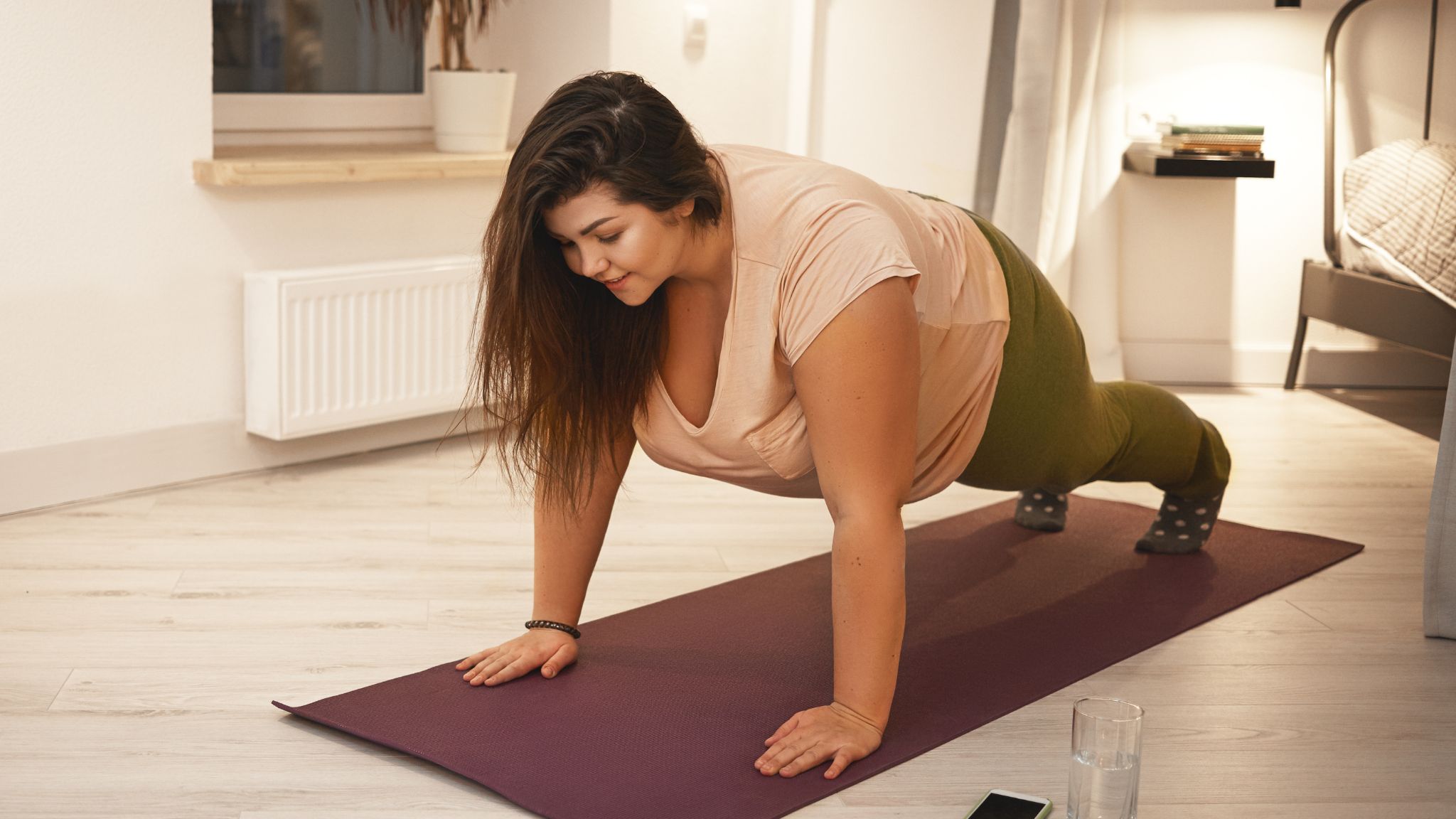
6. Phalakasana (Modified Plank)
-
How to Perform: From downward dog, lower knees to mat. Keep hands under shoulders, body in straight line from head to knees. Breathe steadily.
-
Duration: 1 minute (3–5 breaths)
-
Benefits: Builds core strength, improves stability
-
Safety: Don't lift hips too high; keep neck relaxed
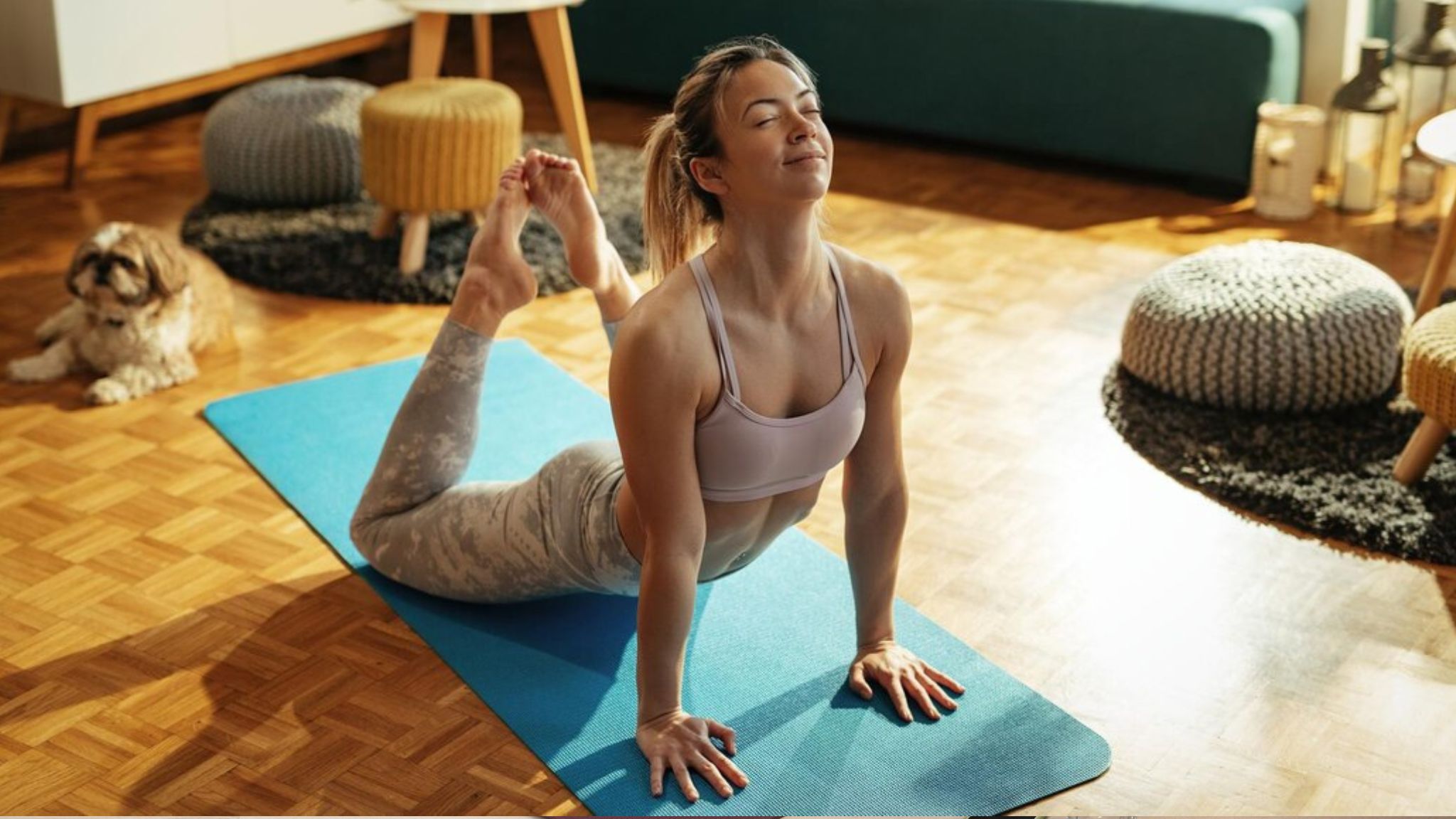
7. Bhujangasana (Cobra Pose)
-
How to Perform: Lie on your stomach, hands under shoulders. Inhale, gently lift chest off floor while keeping hips down. Look straight or slightly up.
-
Duration: 1 minute (3–5 breaths)
-
Benefits: Strengthens back, opens chest, improves posture
-
Safety: Avoid if you have lower back injury; lift only 2–3 inches
8. Vrksasana (Tree Pose – Modified)
-
How to Perform: Stand on left foot, place right foot on inner left thigh (or below knee). Bring palms together at heart. Focus on a point ahead.
-
Duration: 2 minutes (1 minute each side)
-
Benefits: Improves balance, strengthens legs, calms mind
-
Safety: Use a wall for support if needed; don't press foot on knee
9. Trikonasana (Triangle Pose – Gentle Version)
-
How to Perform: Stand with feet wide apart. Turn right foot out 90°, left foot slightly inward. Extend arms, hinge at right hip, reach right hand down to shin, left arm up.
-
Duration: 2 minutes (1 minute each side)
-
Benefits: Stretches legs and hips, improves digestion, reduces stress
-
Safety: Keep knees bent if needed; don't force the stretch
10. Sirsasana (Standing Forward Bend – Gentle)
-
How to Perform: Stand tall, inhale arms up, exhale and fold forward from hips. Let hands rest on shins or floor. Relax neck.
-
Duration: 1 minute (5–7 breaths)
-
Benefits: Calms mind, stretches hamstrings, releases tension
-
Safety: Bend knees deeply if you have back issues; don't force
Relaxation Sequence (3 Minutes)
11. Savasana (Corpse Pose)
-
How to Perform: Lie flat on your back, legs slightly apart, arms by sides with palms up. Close eyes. Breathe naturally, let body relax completely.
-
Duration: 3 minutes
-
Benefits: Deep relaxation, reduces stress, integrates practice benefits
-
Safety: Use a blanket if cold; place pillow under knees if needed
Practice Summary
After completing this 20-minute routine, you'll feel calmer, more centered, and gently stretched. Your mind will be less anxious, and your body will notice improved flexibility in your back, legs, and shoulders. This practice is designed to be safe for beginners and adaptable for those recovering from minor injuries. The combination of breath awareness, gentle movement, and relaxation helps activate the parasympathetic nervous system, reducing cortisol levels and promoting inner peace.
Overall Benefits:
-
Reduces stress and anxiety
-
Improves flexibility in key muscle groups
-
Enhances body-mind connection
-
Boosts energy without exhaustion
-
Safe for home practice in small spaces
Start this routine daily or 3–4 times weekly. Remember: yoga is not about perfection—it's about presence, patience, and self-care.